
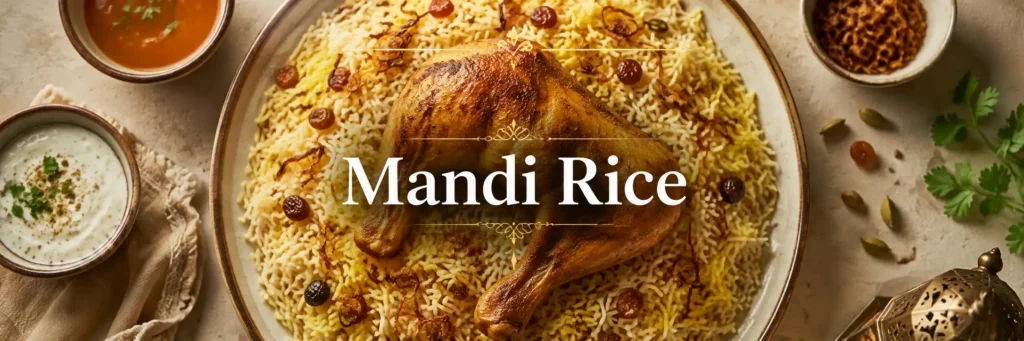
Ever scrolled through a menu in DHA Phase 2 and stopped at "Mandi Rice," unsure what actually sets it apart from biryani or pulao? You are not alone. Mandi has become one of the most ordered dishes across South Islamabad, yet most people ordering it have never seen how it is actually cooked. South Islamabad Eats breaks down where mandi comes from, how it is traditionally made, and what makes the flavor so distinct from other rice dishes.
If you are watching your budget while exploring new dishes, mandi is worth trying since smaller portions at several local spots fall within reach of our under Rs 500 page, which lists wholesome meals across the area at accessible prices.
This guide covers the origins of mandi, the cooking technique that gives it a smoky depth, the spices behind its flavor, and how it compares to biryani and kabsa so you know exactly what to expect the next time you order.
Mandi is a rice and meat dish that originated in Yemen and became a signature dish across the Arabian Peninsula, particularly in Saudi Arabia and the Gulf states. Unlike biryani, which relies on layered spices and often a masala base, mandi is built around simplicity. The rice is cooked separately from the meat, and the two come together through the smoke and juices released during slow cooking rather than through heavy spice blending.
The name "mandi" comes from an Arabic word linked to the idea of something being placed or laid down, referring to how the meat is traditionally suspended above the rice rather than mixed into it while cooking.
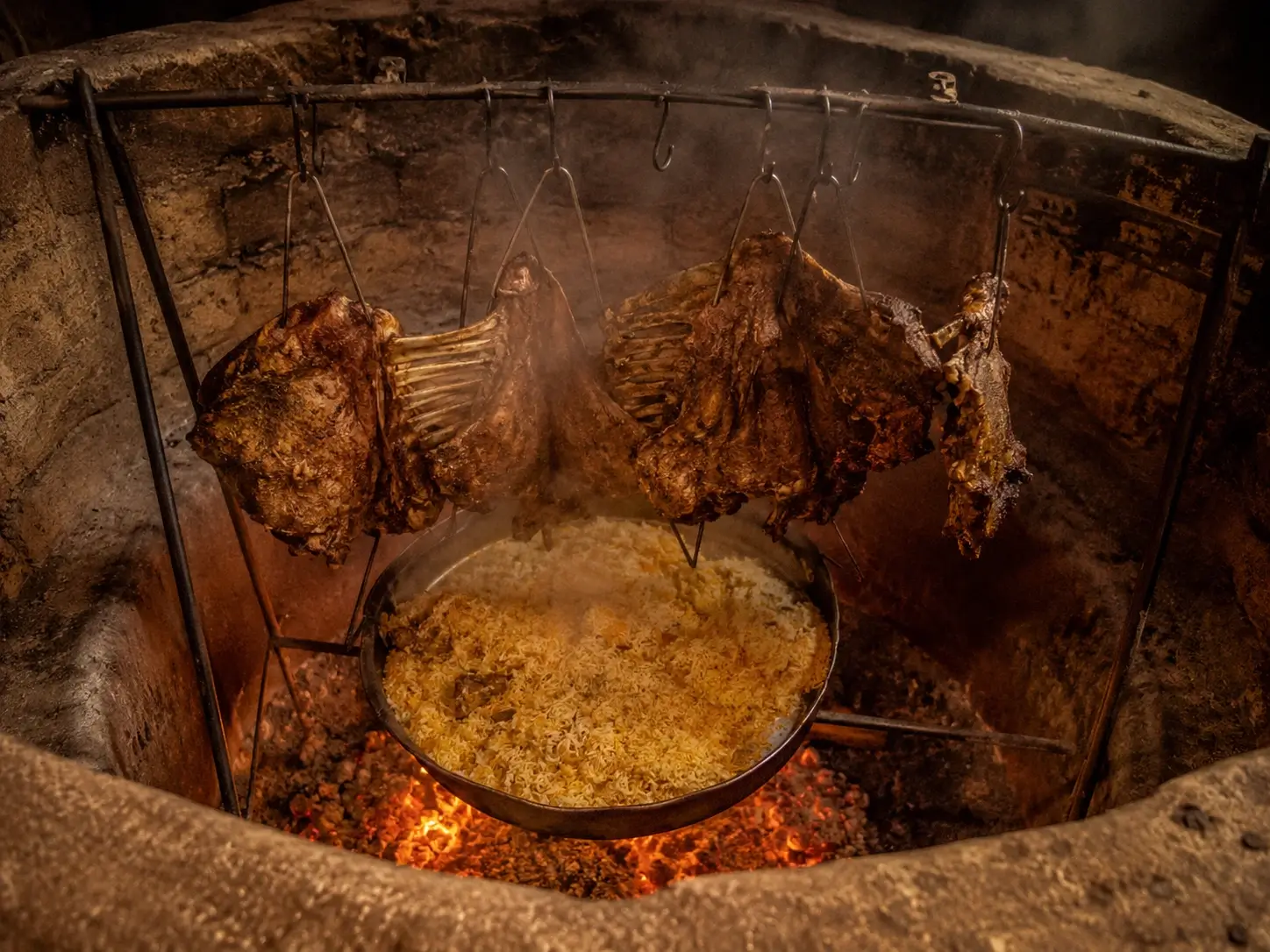
What makes mandi distinct is the cooking process itself. Traditionally, a deep pit is dug into the ground and lined with hot coals. The meat, usually chicken or lamb, is hung on a rack above the rice rather than sitting directly on top of it. The entire pit is then sealed, trapping heat and smoke inside.
As the meat cooks, its juices and fat drip down onto the rice below, infusing it with flavor while the enclosed smoke gives both the rice and meat a distinctive smoky aroma. This method is what separates authentic mandi from versions cooked in a regular oven or on a stovetop, which can replicate the flavor but rarely achieve the same depth.
Modern restaurants that cannot dig a traditional pit often use a tandoor or a sealed oven set-up to mimic the same effect, using wood chips or charcoal to recreate the smoke.
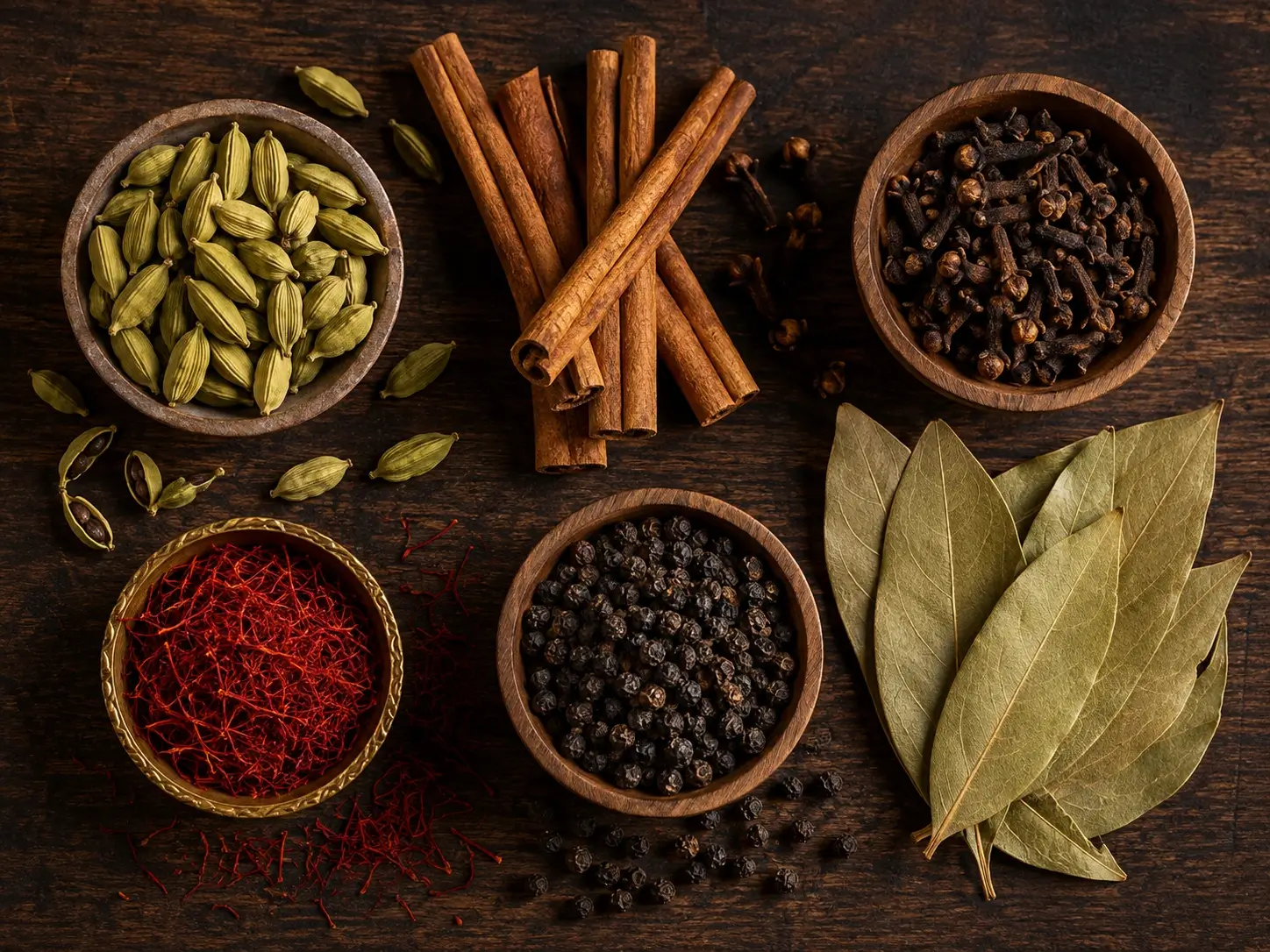
Mandi relies on a specific spice profile rather than a heavy masala. The most common ingredients include:
The meat itself is usually marinated simply, since the smoke and slow cooking do most of the work in building flavor rather than a heavy spice rub. Most mandi restaurants also serve it with a side sauce, similar to dakous, to cut through the richness of the meat and rice.
Recreating mandi at home is easier than it sounds if you focus on the rice, whole spices and a good side sauce rather than the traditional pit. A fresh coriander chutney works well alongside the smoky meat and rice, standing in for the tangy side sauces served with mandi at most restaurants.

Ahmed Foods Coriander Chutney
Fresh green chutney made with coriander, green chilies, garlic and lime - a good match for mandi's smoky meat and rice at home.
Buy Coriander ChutneyThis is an affiliate link. If you buy through it, South Islamabad Eats may earn a small commission at no extra cost to you.
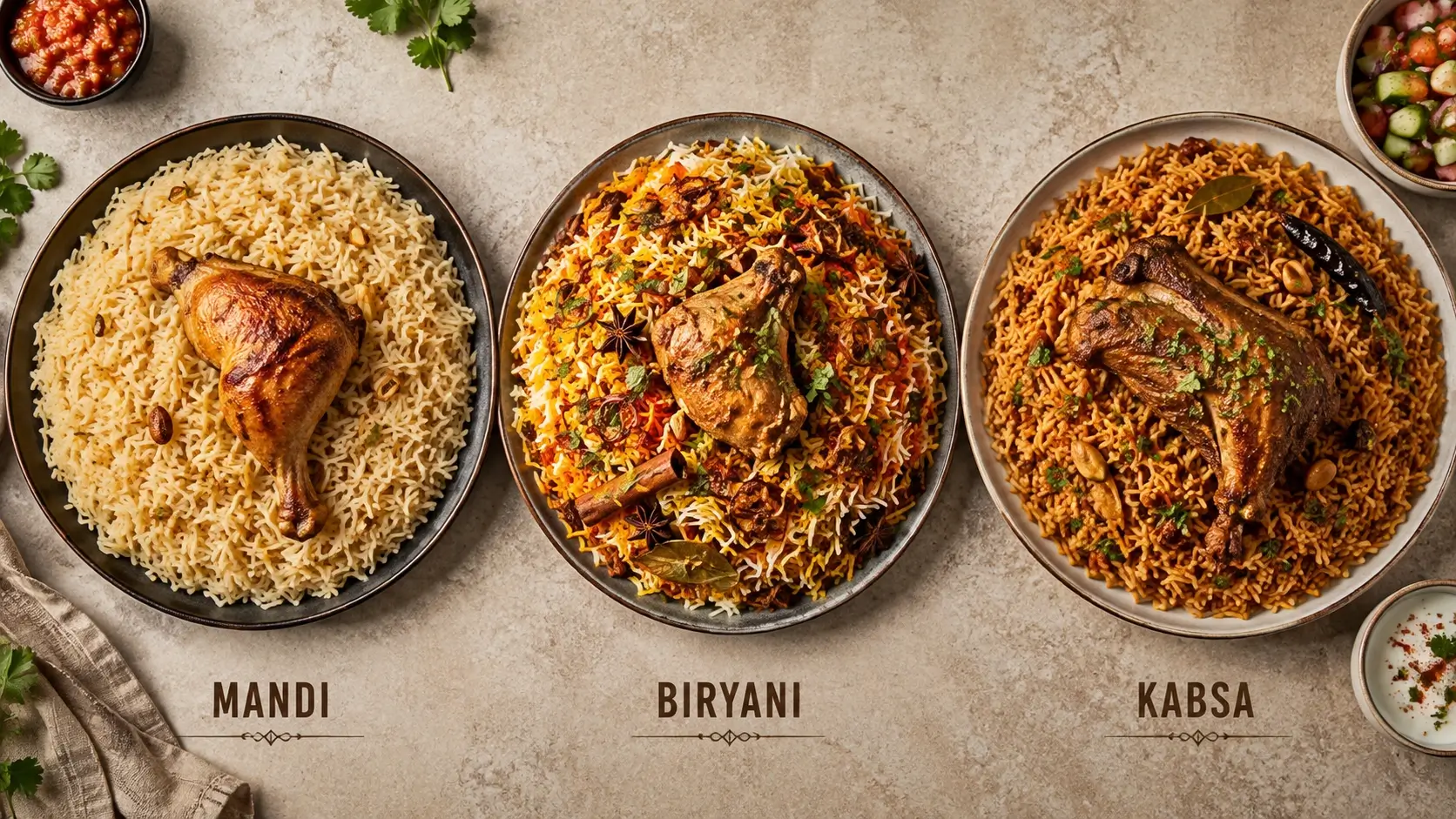
Mandi: Rice and meat cooked separately, smoked together, light spicing, meat suspended above rice.
Biryani: Rice and meat layered and cooked together, heavier masala, often spicier and more complex.
Kabsa: Similar to mandi in origin but cooked together in one pot, with a tomato-based spice mix giving it a deeper red-brown color.
If you want to try mandi without cooking it yourself, Yumto - The House of Arabic Mandi at Giga Mall specializes in the dish and is a solid starting point for anyone new to it. Portion sizes, meat options and prices vary by restaurant, so it is worth checking the full menu before ordering.
For more restaurant options in the area, check the DHA Phase 2 restaurant directory.
Get restaurant updates and local food news
📲 Join Our WhatsApp Channel!
Get the latest deals, new menus and restaurant updates for DHA Phase 2 - straight to your WhatsApp.
✅ Join South Islamabad Eats on WhatsAppGet featured on South Islamabad Eats and reach food lovers searching for places like yours.
Get Featured - From Rs 2,500